Twenty-Five Years of Collecting
Ace Estwick, Interim General Manager, KPFK 90.7 FM
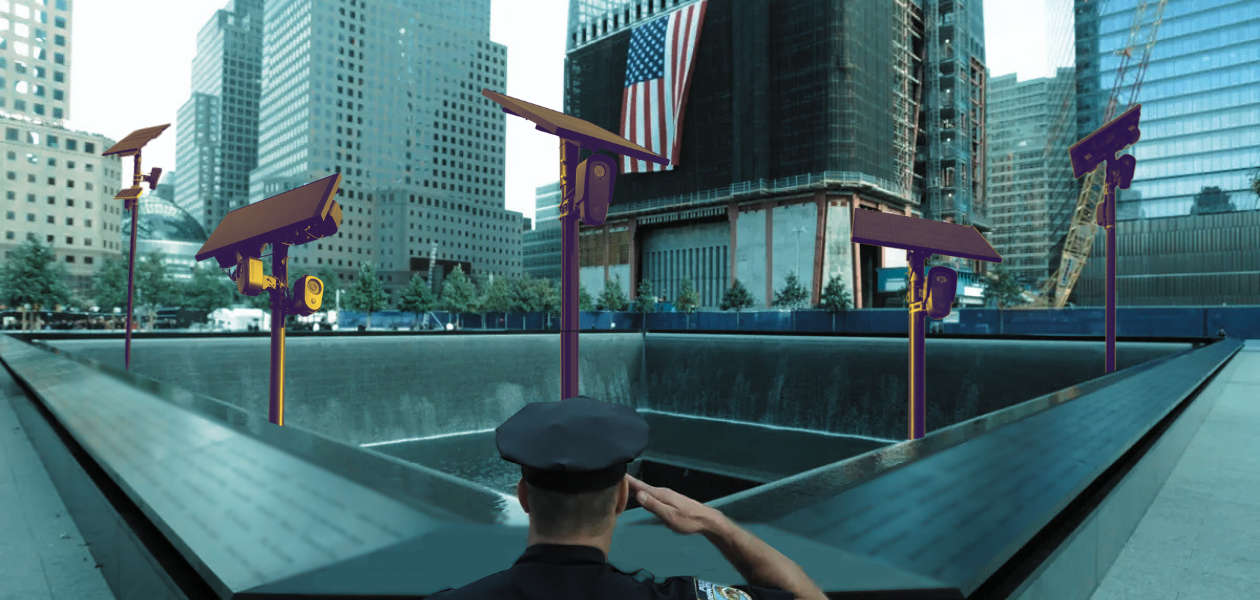
Twenty-five years ago this country made a deal it never really debated. Collect everything, sort it out later, and do the sorting inside opaque systems that nobody outside them can inspect. The premise was that gathering is cheap and harmless as long as you only act on the part that matters. And if you aren't doing anything wrong, then you have nothing to be worried about. Fusion centers went up on that logic, including the one here, the Joint Regional Intelligence Center, built to cover six counties and roughly 16 million people. We were told the sorting would be handled.
In July we found out how the sorting is going. The LAPD's own Inspector General reviewed two months of license plate reader alerts and found that of 498 stolen-vehicle hits, 337 led to a recovered vehicle. The other 161, roughly a third of the total, were accurate plate reads on cars that were not stolen. Officers acted on some of those alerts the way they are trained to act on a stolen car, which means people who had done nothing were stopped at gunpoint and ordered out of their vehicles. The department was running close to 2,000 cameras, which logged more than 210 million plate reads in that window, with no formal agreement covering data security or privacy, and no thorough audit since 2022.
The day after that audit came out, LAPD let its contract with Flock Safety expire. That got written up as a win, and in a narrow sense it is. But those 138 cameras are still bolted to poles around this city. They did not come down (see the full map here). What ended was the paper trail, and the public's only real window into what the system was doing. The surveillance did not stop. The oversight did. And the department is leaving them on deliberately, because if a new contract gets signed, detectives can just go back and pull everything collected during the gap. The cameras are still rolling, but in escrow.
LAPD simply can't see any of it. "Nobody has access to that data," LAPD Commander Randy Goddard told the Police Commission. And I'm sure that's what Flock told him. But let us consider the source.
This is a company that, in December, left at least 60 of its cameras streaming to the open internet with no password, where anyone could pull thirty days of archived video and change the settings; a reporter confirmed it by driving to Bakersfield and watching himself on his phone. It is a company that, according to researchers at the University of Washington, was running an information-sharing pilot that gave federal agencies a path to local plate data without the local agencies knowing. Flock says its cloud platform has never been breached and that the exposed cameras were a limited testing issue, since fixed. Maybe.
In San Francisco, reporters found the police department's database had been searched by out-of-state agencies more than 1.6 million times, at least nineteen of them marked as ICE-related. Nobody knew until someone went back through the logs. The mechanism Los Angeles would use to do that here is the contract LAPD just let lapse.
This is the part worth pausing on this anniversary. Nobody passed a law in 2001 that put cameras on Venice Boulevard. We accepted a trade, the trade got cheap, went commercial, and then it arrived fully packaged at city councils across the country as a simple line item. The threat went from foreign terrorism to a car that might or might not be stolen. The architecture is the same. What changed is that the collecting now happens somewhere the public cannot audit, and the people who told us the sorting was handled are the ones telling us to trust them again.